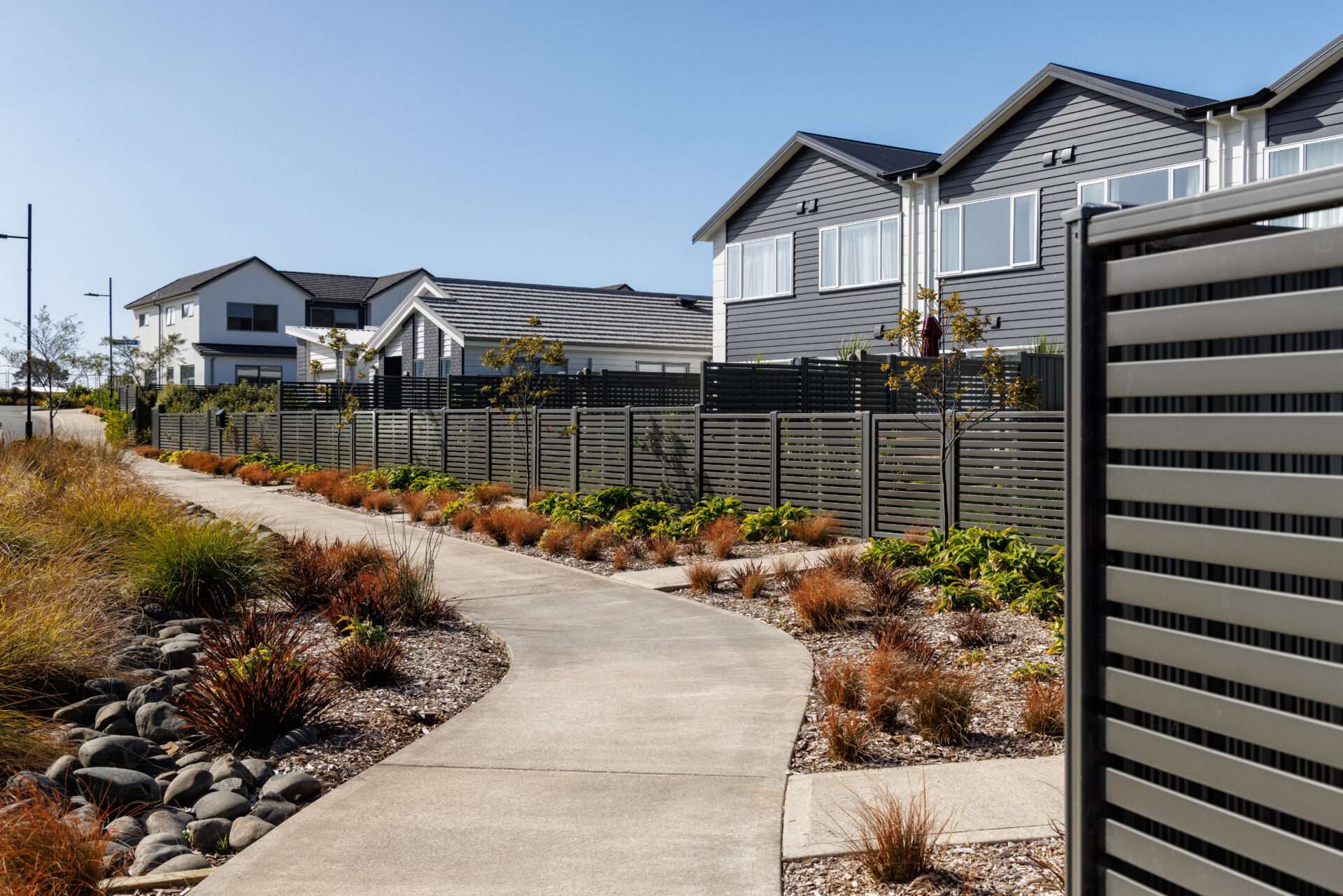
Planning Fencing Early for a Better Result
Fencing is often treated as one of the last things to sort on a project. The boundary is drawn on the plan, the product is selected, and the fencing gets installed once the site is close to finished. That can work on a simple job. However, on busier or more complex sites, leaving fencing too late can create problems. Finished ground levels, retaining walls, gates, access points, compliance requirements and lead times can all affect what fencing system will actually work. Here are five fencing details worth planning early.
1. Ground Levels
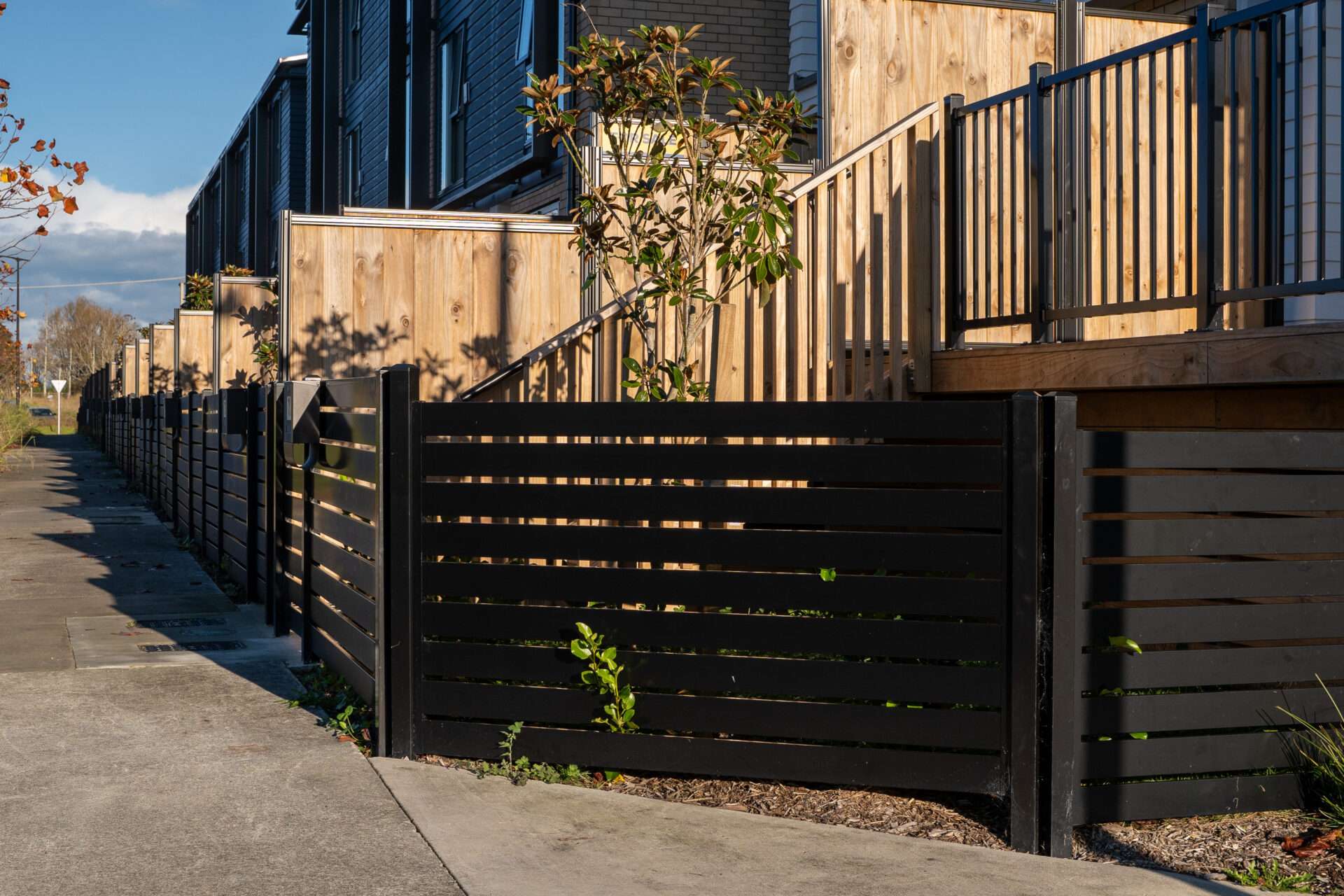
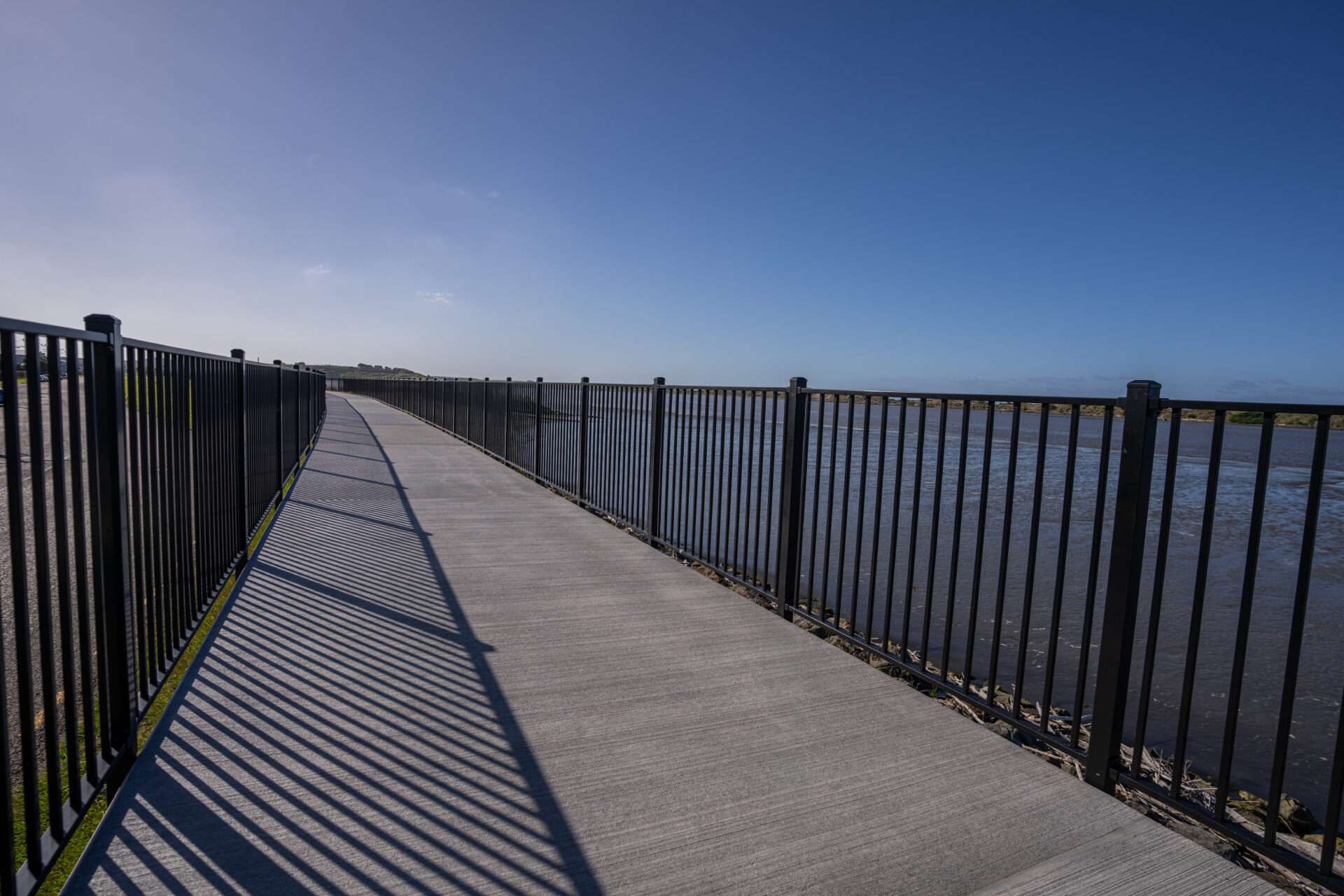
Finished ground levels can change the whole fencing outcome. A fence line that looks simple on a drawing may need to deal with slopes, steps, kerbs, retaining walls or uneven ground once the site is built. This affects whether the fence can be installed level, stepped or raked. It can also affect post lengths, panel heights and how neat the finished line looks. If levels are still changing, it is worth flagging this early. Some fencing systems can rake with the ground, while others are better suited to a stepped finish.
2. Retaining Walls
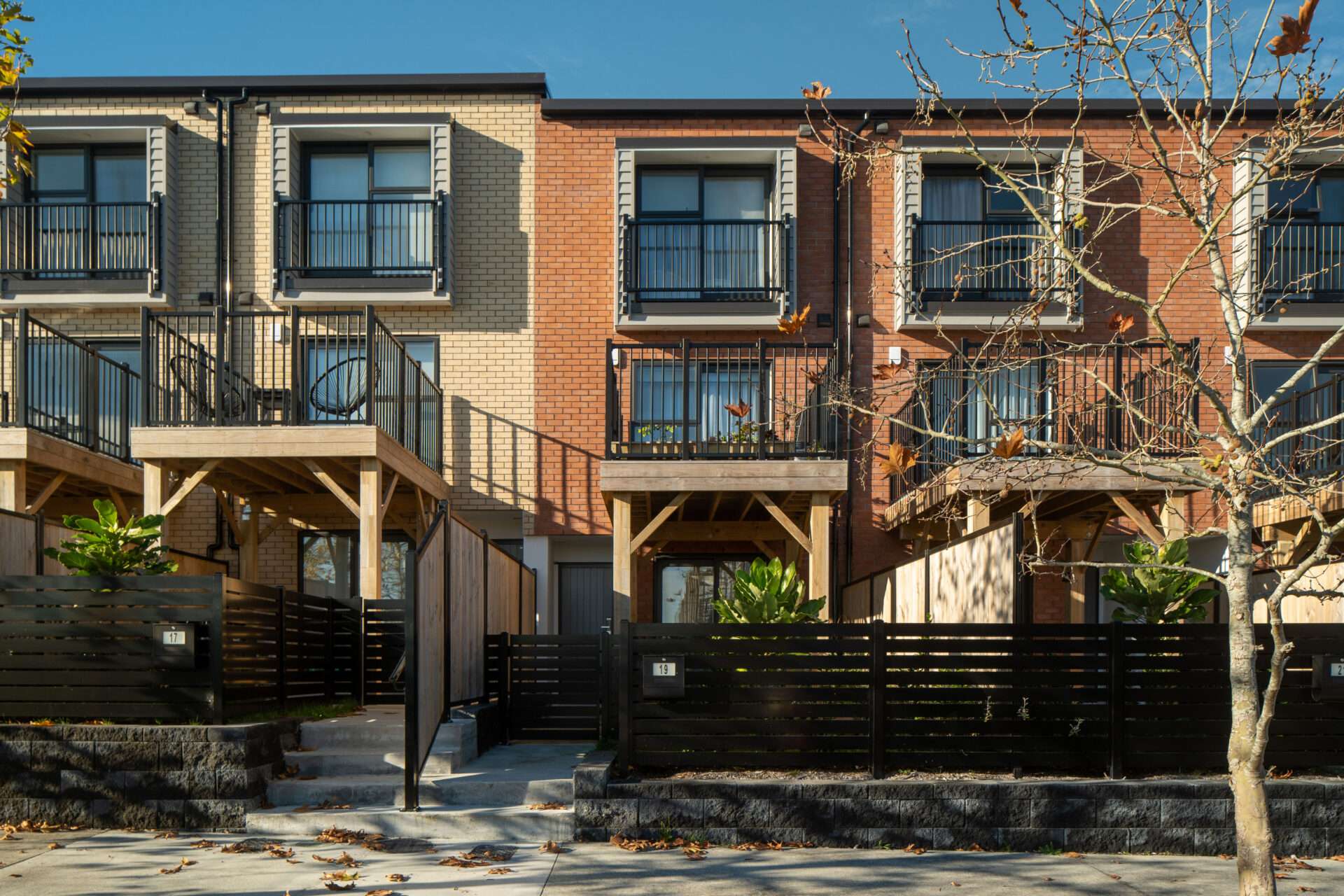
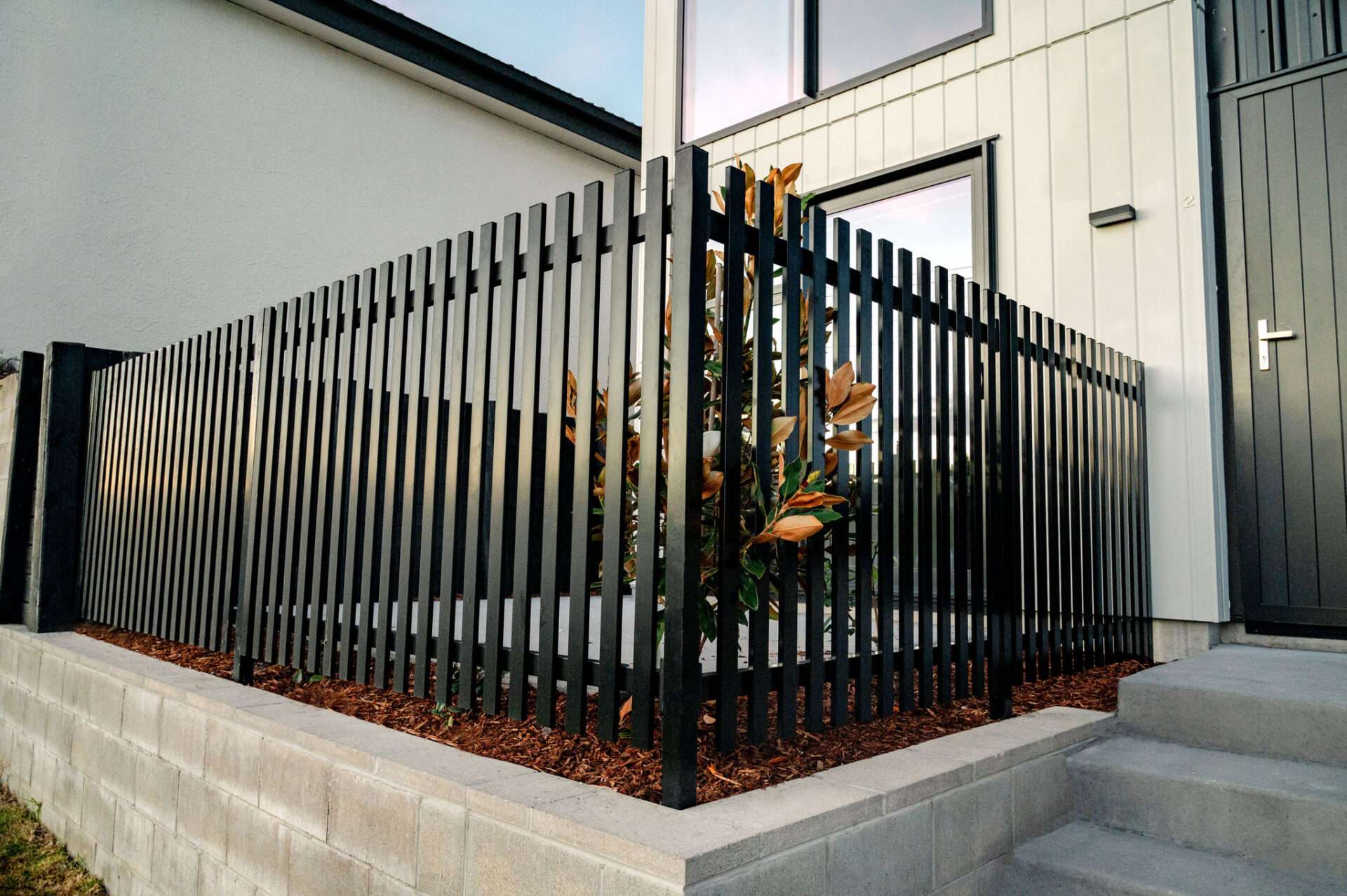
Retaining walls need to be considered before the fence is ordered. The main question is where the posts will go. Will the fence be installed on top of the wall, behind it, in front of it, or into the ground beside it? Each option can affect post fixing, height, engineering requirements and the final look. If the retaining wall is already built, the options may be more limited. Planning fencing early gives the project team more control over the finish.
3. Gates & Access
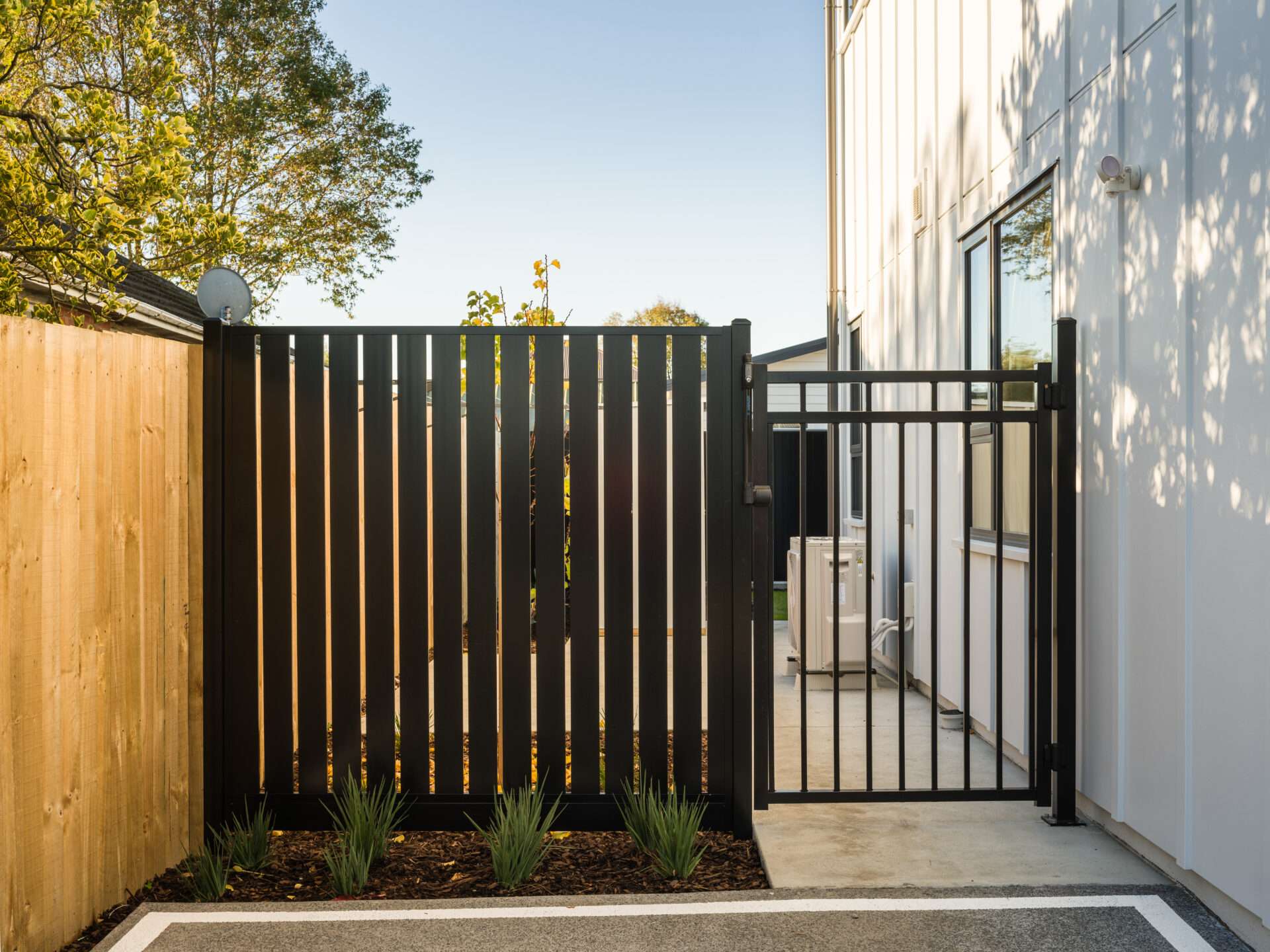
Gates need more planning than people often expect. It is not just about the opening width. You also need to think about swing direction, latch position, pedestrian flow, vehicle access, automation, access control and clear space around the gate. A gate that opens into a path, kerb, garden edge or wall can quickly become a problem. On high-use sites, gate placement can also affect how people move through the space each day. Getting this right early helps the finished site work properly.
4. Safety & Compliance
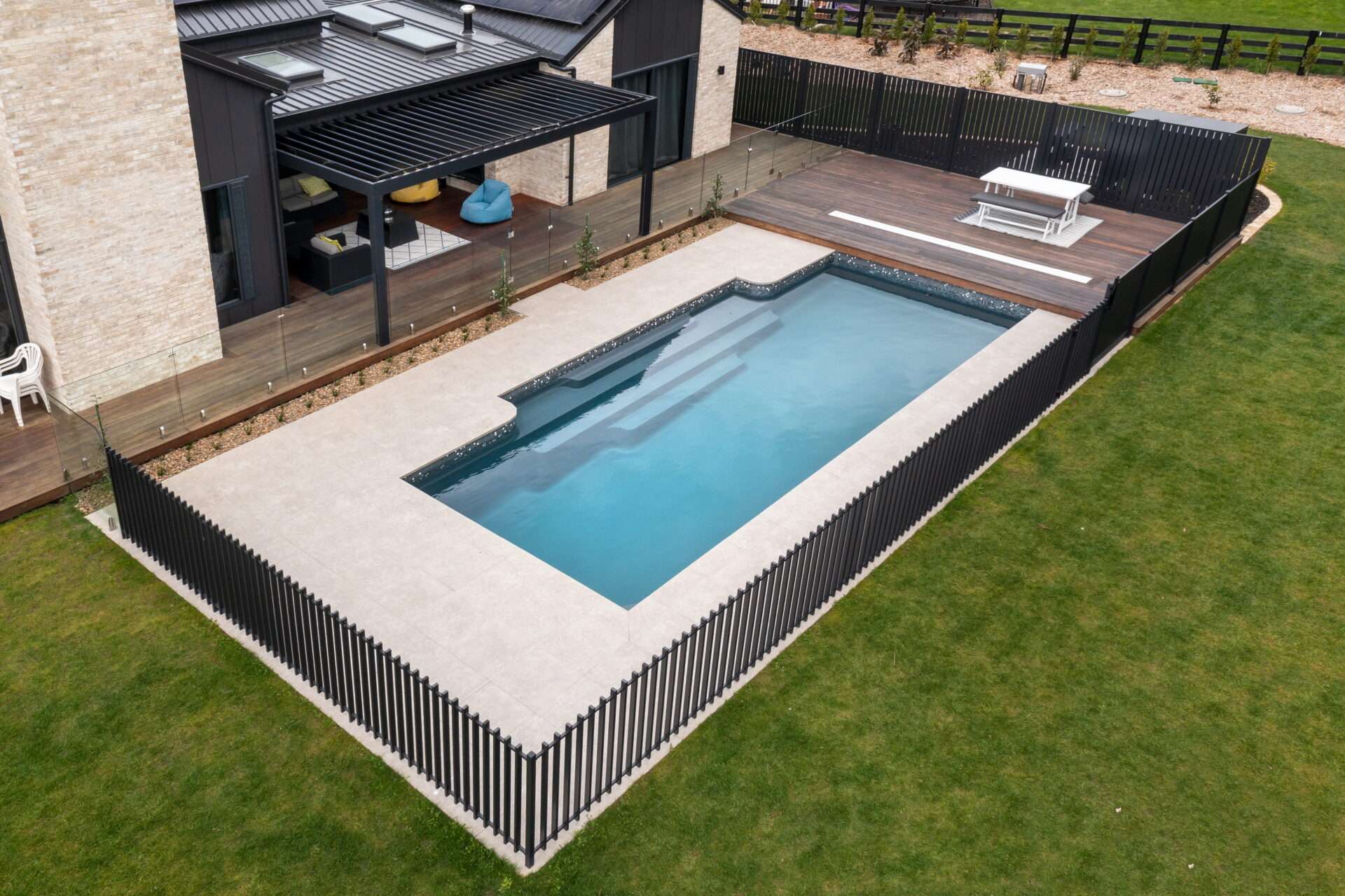
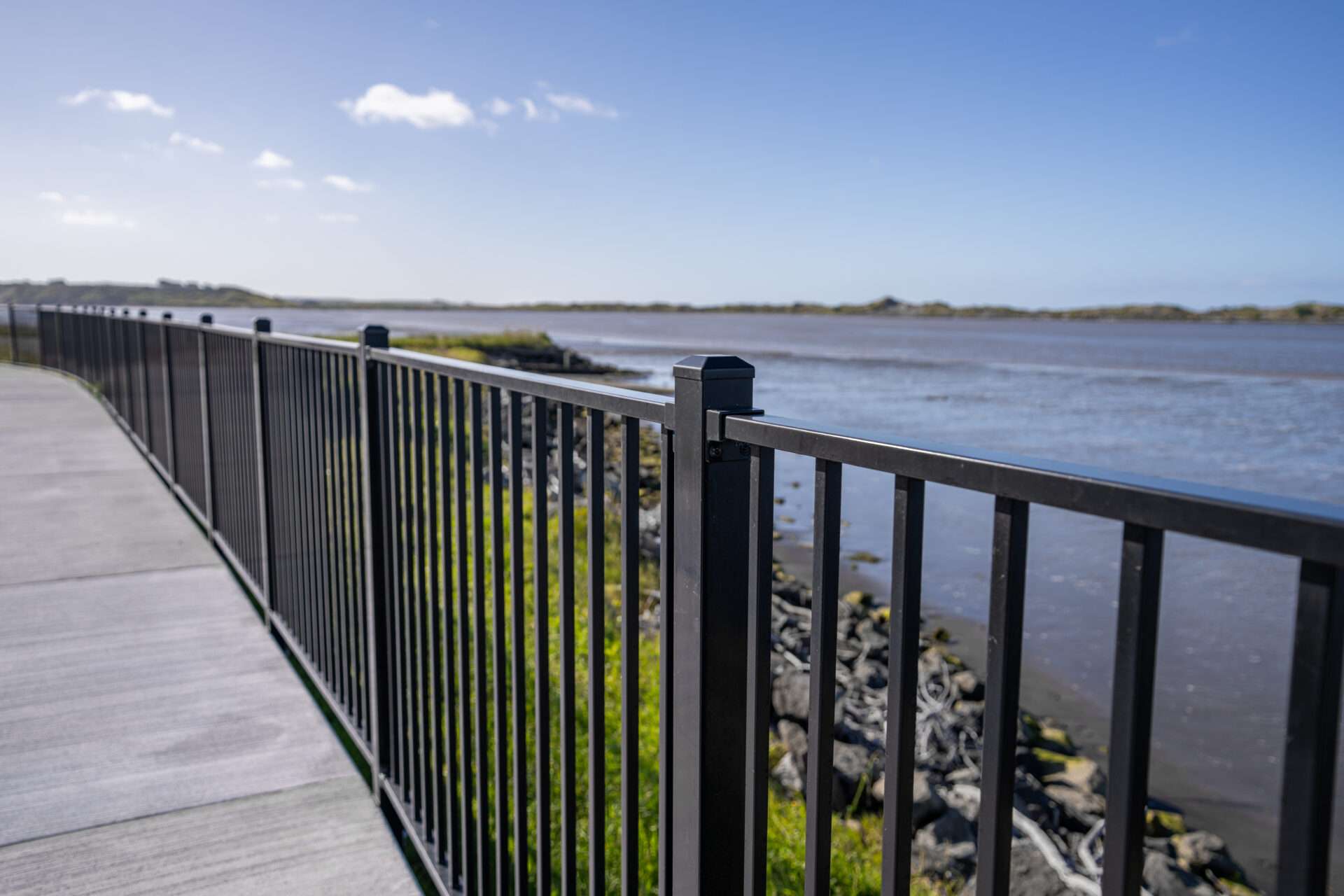
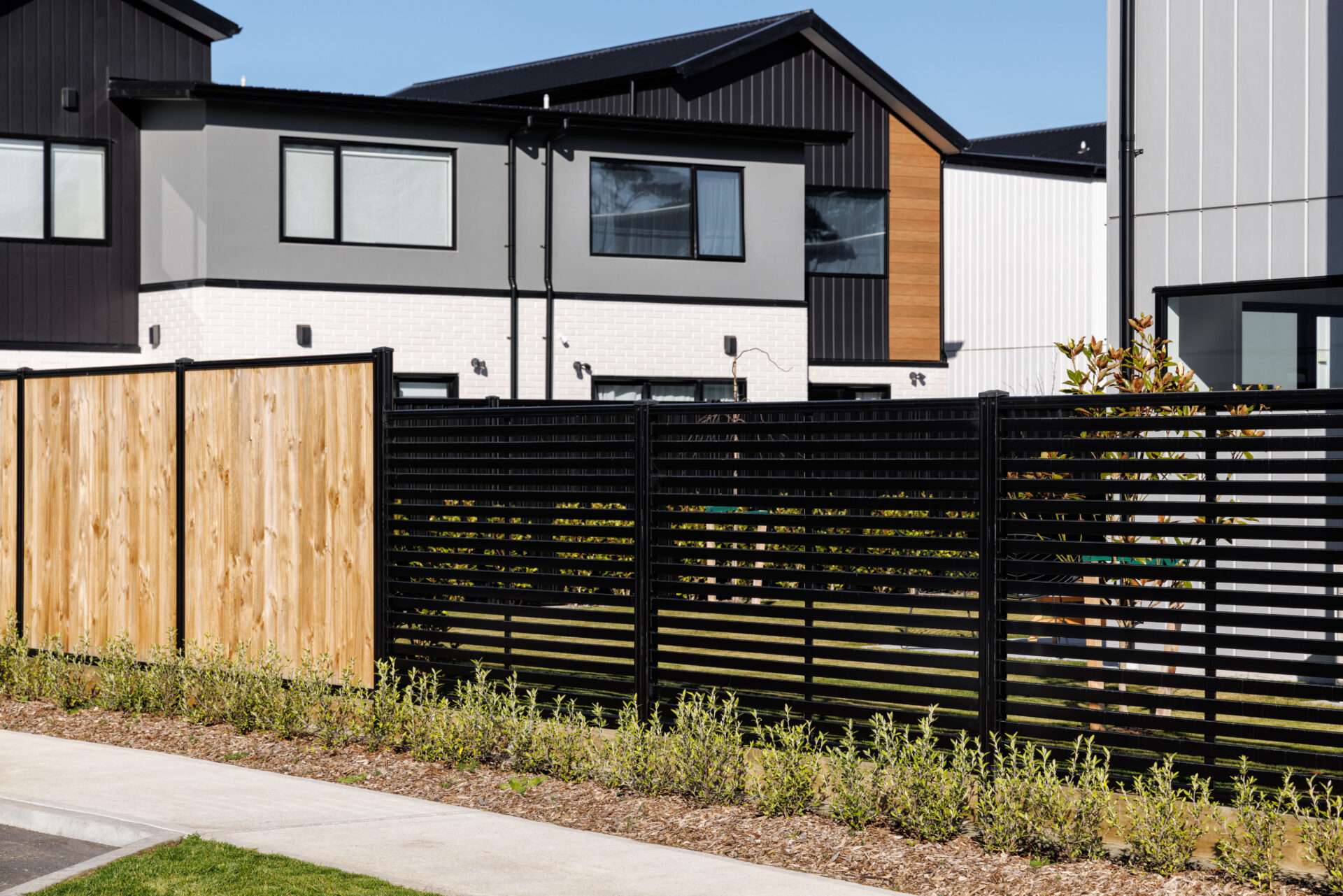
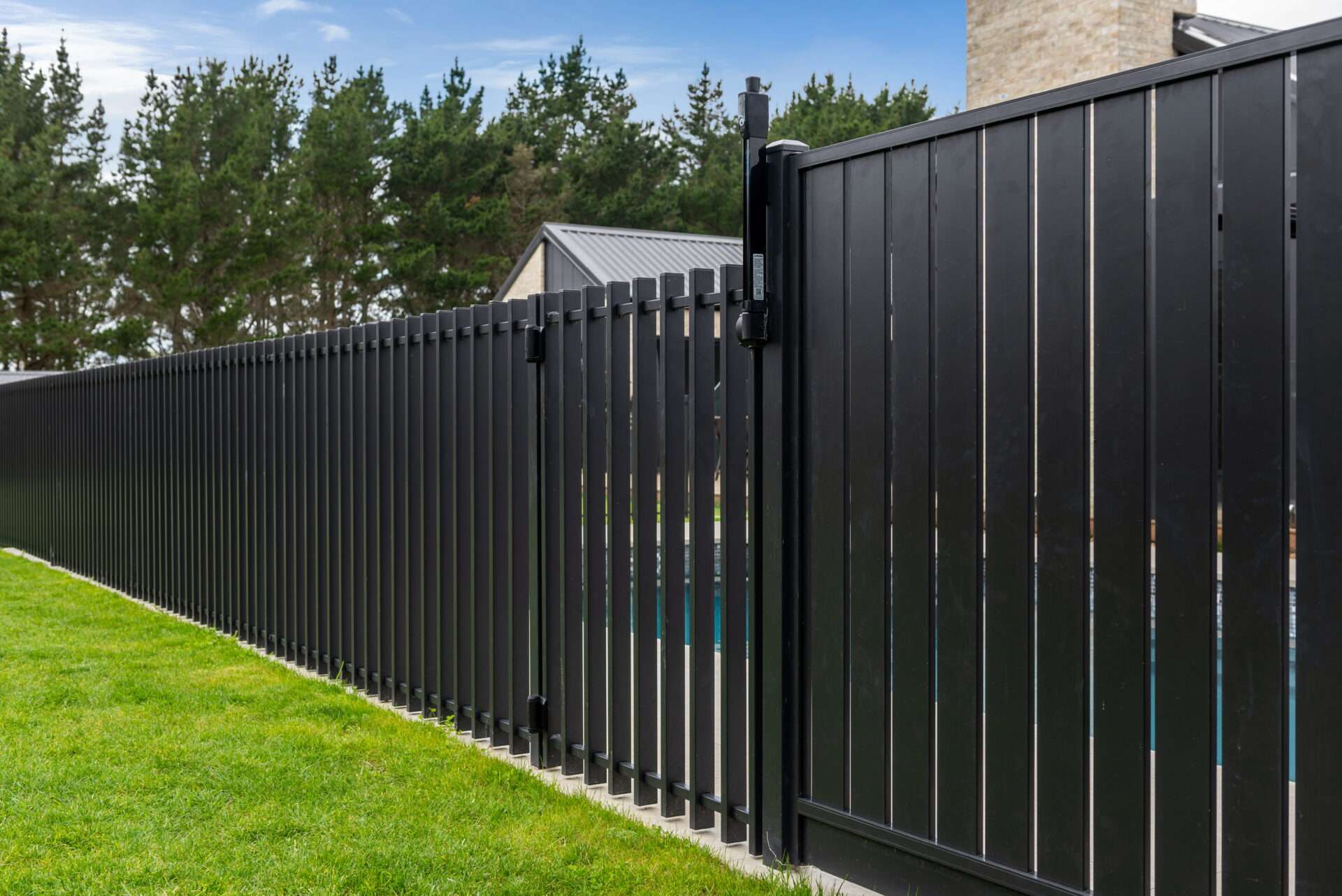
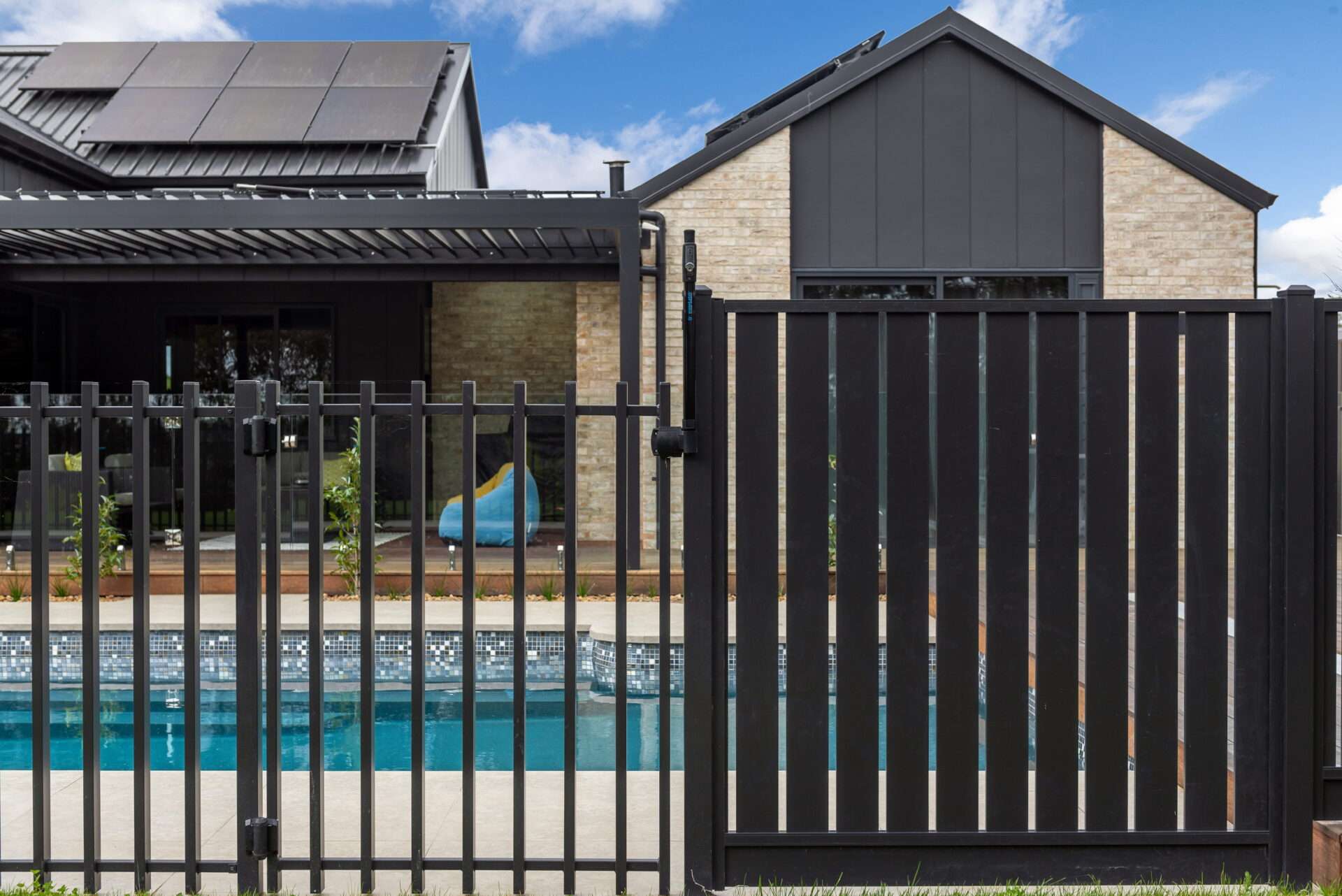
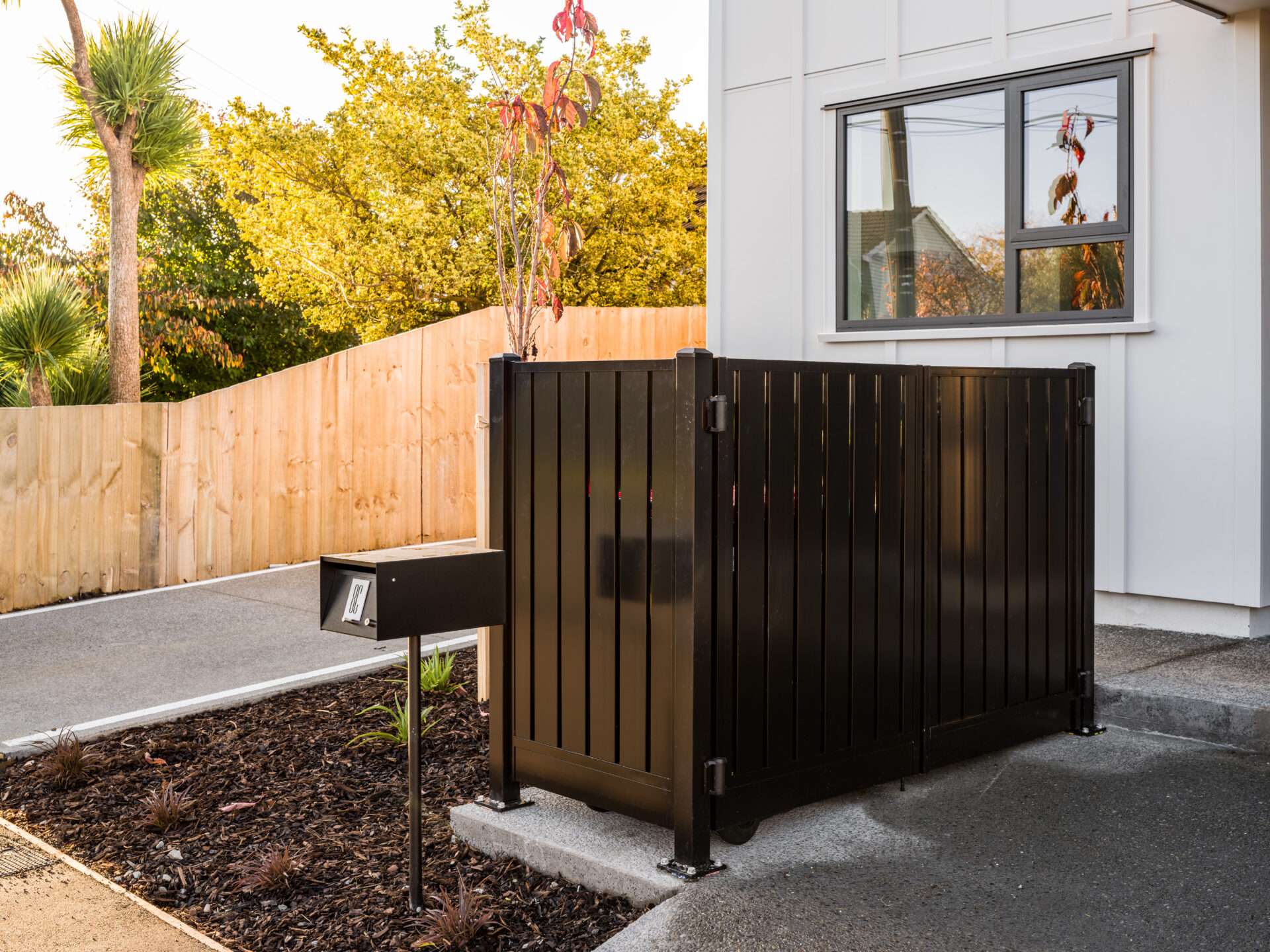
Some areas need fencing that meets specific safety requirements. Pools, fall risks, playgrounds, childcare centres, schools, public spaces and service areas may all have different requirements around height, spacing, climbability, gates or fixings. These details can change the product choice. For example, a boundary that needs visibility may suit an open aluminium panel. A service area may need screening. A pool or fall-risk area may need a system that supports the relevant compliance pathway. It is much easier to choose the right system early than to make a product fit later.
5. Lead Times & Custom Details
Some projects need custom gates, special heights, raked panels, specific colours or made-to-order products. These details can affect lead times and installation timing. However, not every fencing product is sitting on the shelf ready to go. If fencing is left until the end, the project may be forced into whatever is available quickly. Planning fencing early gives the team more options. It also helps avoid rushed decisions that affect the final look of the site.
Better Fencing Starts Before The Installation
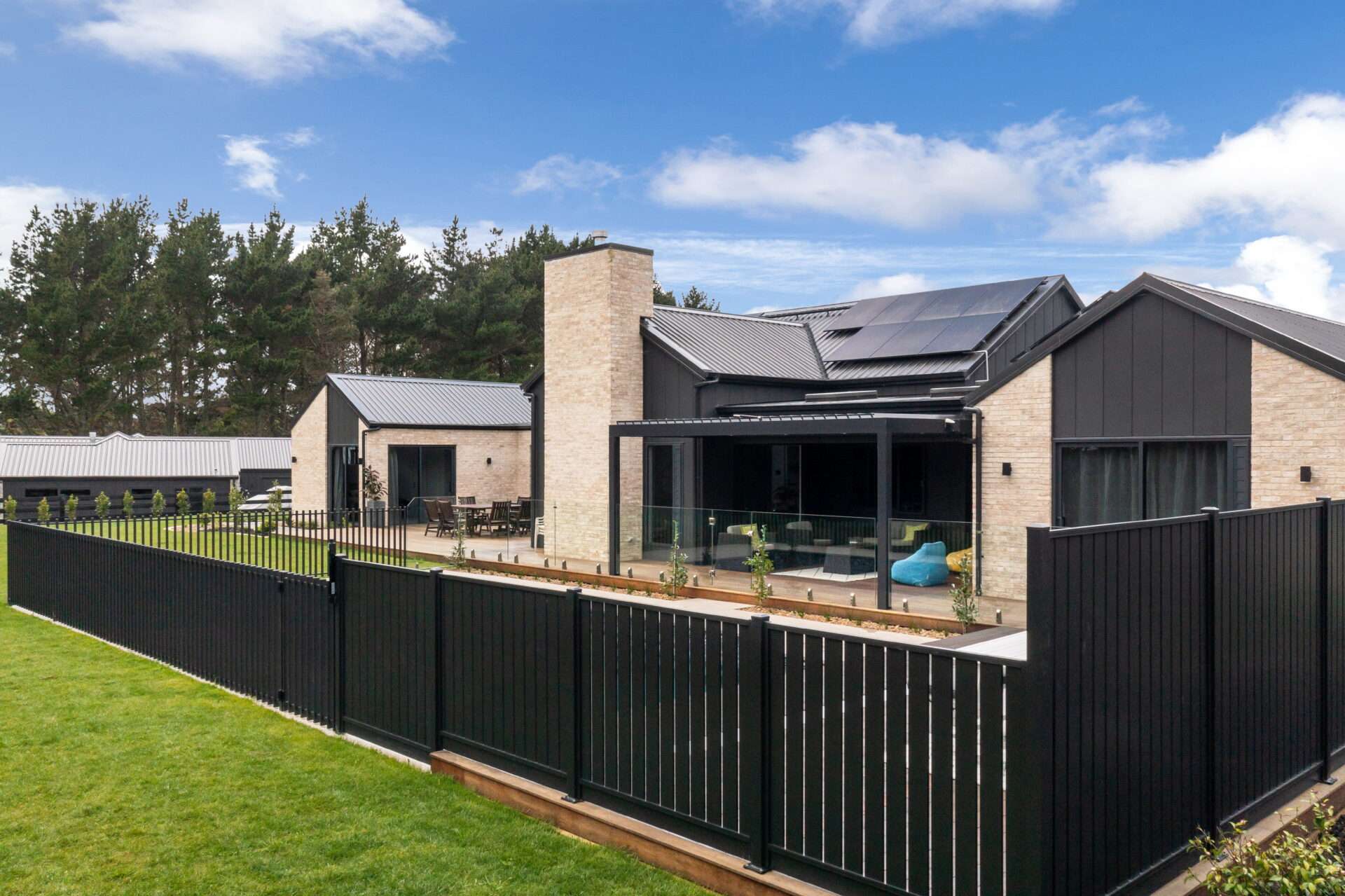
Good fencing is not just about the product. It is about how the product works with the site. The earlier fencing is considered, the easier it is to deal with levels, access, compliance, gates and installation details. It also makes it easier to choose a system that suits the job, instead of trying to solve problems once the site is almost finished. Boundaryline works with architects, builders, installers and project teams to help match fencing systems to each project. Planning fencing early can make the whole process simpler, from specification through to installation. Reach out to us through our Contact Form or give us a call at 0800 003 006. We’re here to make it easy.